
Capital One Settlement: $425 Million Paid to Resolve Savings Account Litigation Claims
**Introduction** In a significant financial development, Capital One Financial Corporation has agreed to pay $425 million to resolve a nationwide lawsui...
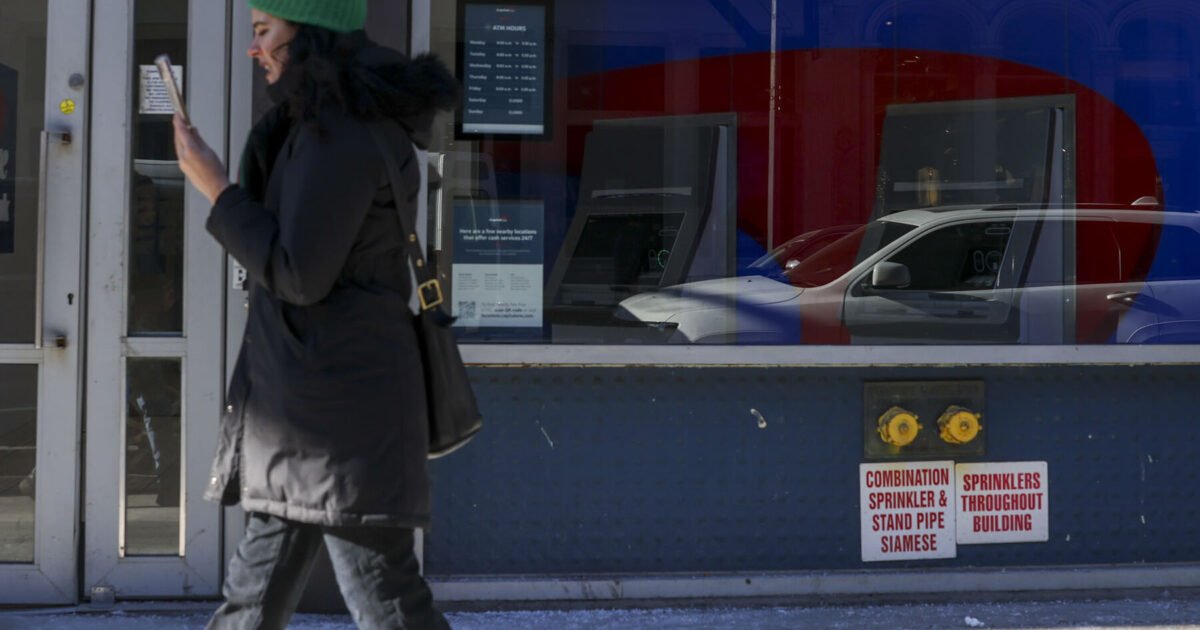
Introduction In a significant financial development, Capital One Financial Corporation has agreed to pay $425 million to resolve a nationwide lawsuit alleging misleading practices in its savings account offerings. The settlement, pending judicial approval, marks a major step in addressing claims that the bank misrepresented interest rates, potentially harming depositors. The case highlights growing scrutiny of financial institutions’ transparency and consumer protection efforts.
Settlement Details and Implications The $425 million settlement includes $300 million allocated to reimburse depositors for missed interest earnings on higher-yield accounts and the remainder to cover additional compensation for open 360 Savings accounts. Legal fees will also be funded from the settlement. Capital One, which admitted no wrongdoing, has pledged to address the claims, though it has not responded to requests for comment. The agreement underscores the bank’s commitment to resolving disputes through compensation rather than litigation.
Background of the Lawsuit The lawsuit, filed in the U.S. District Court for the Eastern District of Virginia, accuses Capital One of falsely promising higher interest rates on 360 Savings accounts (with a fixed rate of 0.3%) and failing to adequately advertise better rates on 360 Performance Savings accounts (up to 4%). Depositors argue the bank misled customers into believing these accounts offered superior returns, which they did not. The case was consolidated from multiple lawsuits across the country, including a New York lawsuit led by Letitia James, the attorney general of New York.
Impact on Depositors and Legal Fees The settlement’s $300 million portion aims to compensate depositors for missed interest, while the remainder will benefit those with open 360 Savings accounts. Legal fees, including those for the plaintiffs, are covered by the $425 million. Capital One’s admission of no wrongdoing has raised questions about the bank’s accountability, though the company has not contested the lawsuit’s validity. The case also highlights broader concerns about consumer fraud in the financial sector, with critics calling for stricter regulations.
Legal and Regulatory Context The lawsuit was brought by the Consumer Financial Protection Bureau (CFPB) and other state attorneys general, who argued that Capital One violated consumer protection laws by withholding information about better rates. However, the Trump administration dropped the CFPB case after the president’s term ended, citing the need for legislative action. The settlement reflects a shift in regulatory focus, emphasizing the importance of transparency in financial products.
Key Takeaways This settlement underscores the growing pressure on financial institutions to address consumer complaints and ensure transparency. While Capital One has admitted no wrongdoing, the case highlights risks for banks in maintaining accurate advertising and customer communication. Depositors, particularly those with older accounts, may benefit from the compensation, though the long-term impact on the bank’s reputation remains uncertain. The agreement also signals a broader trend of legal challenges against banks accused of deceptive practices, reinforcing the need for robust consumer protection laws.
The $425 million settlement represents a significant milestone in the ongoing debate over financial fraud and consumer rights, with implications for both depositors and the broader financial industry.
Related Articles
- The Stock Market’s Boomerang Month: Investors Caught in a Catch-22 of Clarity and Uncertainty
- The Stock Market’s Boomerang Month: Investors Dilemma Amid Tariff Uncertainty
- The Stock Market’s Boomerang Month: Investors Caught Between Hope and Uncertainty
Source: New York Times Business